
Builds and teams
Build a party with
a clear purpose.
A practical starting point for RPG roles, character priorities and teams that work together, without turning every choice into a spreadsheet.
Best used for new accounts, early progression and your next team reset.
The first rule
Give every character a job.
Strong RPG teams are rarely built by chasing the highest number on a character screen. They work because each member has a clear job during an encounter, and the rest of the party supports that job.
Before you invest materials, decide whether a character is there to protect the group, deal steady damage, enable the team or keep everyone standing. A simple purpose makes upgrades easier to choose.
Try the team check
A useful role map
Four jobs worth recognising.
Games use different names for them, but most RPG parties rely on a variation of these four jobs. One character can cover more than one role, especially early in a game.
Guard
Creates room for the rest of the party to play.
- Draws pressure away from fragile allies
- Uses shields, control or defensive tools
- Values reliability before damage
Striker
Turns an opening into meaningful progress.
- Focuses on a target or clears grouped enemies
- Needs safe positioning or setup time
- Benefits most from focused upgrades
Guide
Makes another character’s best tools better.
- Applies buffs, debuffs or useful control
- Helps the party act in the right order
- Often improves a team more than a second damage dealer
Keeper
Keeps a good plan from falling apart.
- Restores health, removes pressure or prevents mistakes
- Provides consistency in longer encounters
- Lets the rest of the party keep their focus
Party planner
What does your team need most?
Choose the problem you face right now. This quick check points to the role that is usually worth reviewing first. It is a starting decision, not a universal tier list.
Recommended first check
Review your Guard or Keeper.
When a party falls early, check defensive timing, recovery and the character taking the most pressure before changing every damage build.
Focus: survival and consistency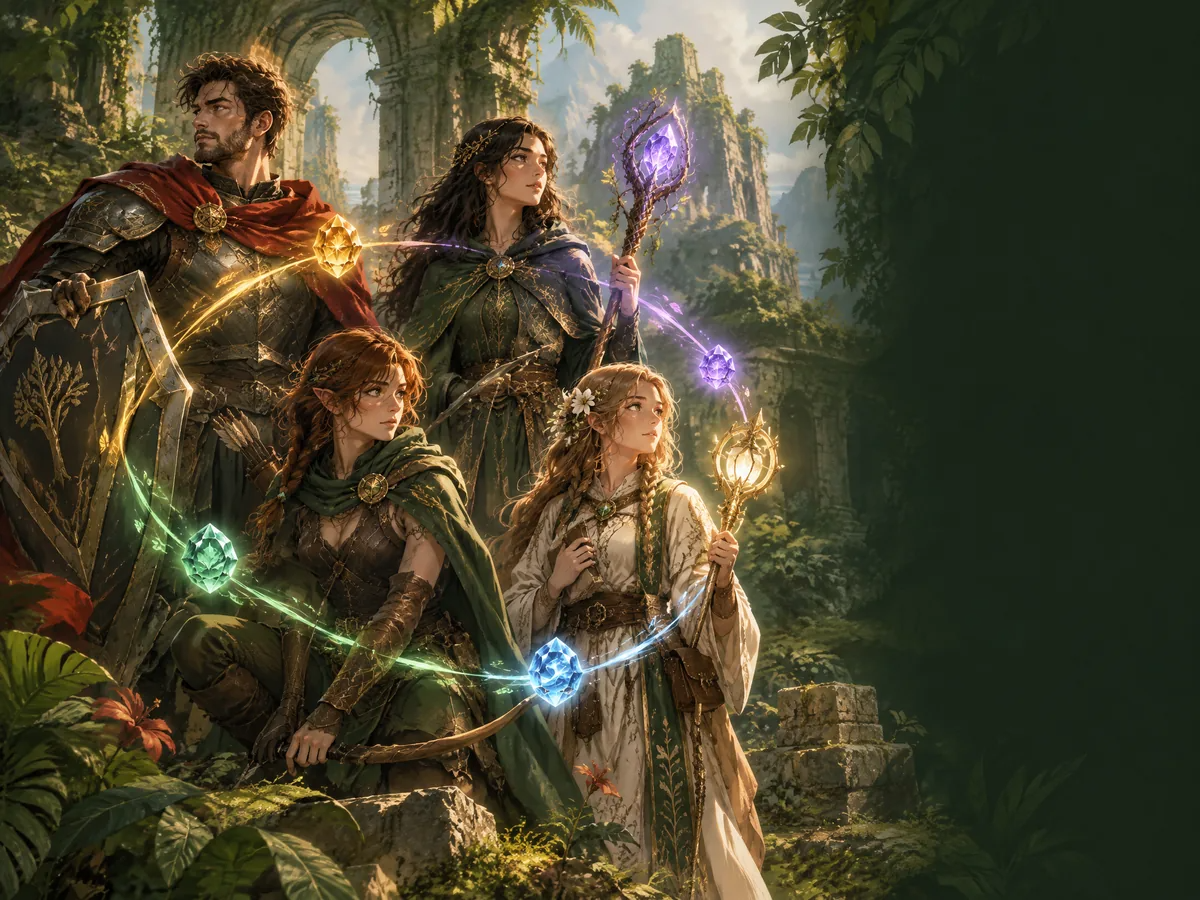
Team synergy
A good team is a simple story.
Ask what happens first, what happens next, and who protects the plan when an encounter changes. When those answers are clear, a team can feel strong even before every piece of equipment is perfect.
- 1Create an opening
Use a guard, control tool or quick setup to make space for the team.
- 2Spend the opening well
Let the striker use their best skill cycle while the guide supports it.
- 3Reset when needed
Use recovery, shielding or a second control tool before the plan breaks.
Upgrade with intent
Four checks before spending materials.
These questions keep a new account from spreading valuable resources across too many characters at once.
Is this character in your main team?
Start with the characters you actually use. A focused core helps more than a wide roster of partial upgrades.
Does this upgrade support their job?
Prioritise the skills, equipment and stats that make a character more reliable at their intended role.
Does the team benefit?
A support upgrade can unlock stronger results for the whole party, even if it does not create the biggest personal number.
Will the next encounter use it?
Match your investment to the content ahead, then revisit the plan after you learn what the game asks from you next.
Keep the party moving